
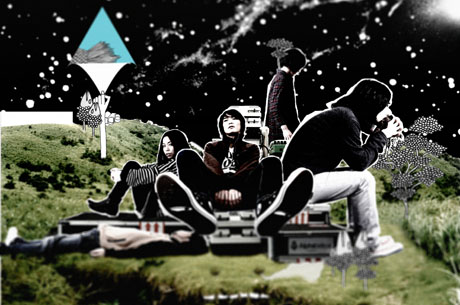
When Shin Takarajima is blasted at karaoke, you know someone is about to bust out incredible moves or fall off a table.
It’s a party staple for a reason – silly Showa aesthetics, a little ironic, and one of the catchiest melodies of the 2010s all injected into one perfect song.
That’s why when vocalist Ichiro Yamaguchi told the world he was ceasing activities due to depression, fans and casual listeners alike were shocked.
While most hide or fight to keep the true reason hidden, Ichiro decided to do the opposite.
“I didn’t even know what depression was before I got it.
I am in a special situation – I am not married, have no kids, and I don’t have to work at a company every day to support a family… There are people who must show up every day to survive, but still fight depression.
I wanted to share my story as one example to help the people who fight every day, in hopes their lives will be easier.”
Leaving The Band
Trouble getting out of bed and intense headaches marked the beginning symptoms. Ichiro would give it his all in the studio one day, and not be able to wake up the next.

He received a formal diagnosis. Doctors said his depression could be managed, but returning completely to his previous self might not be possible.
“They told me I couldn’t go back to how I was before – so I had to learn how to make music as a new me.”
Treatment started immediately, which included medication, therapy, lighter schedules and something he picked up to help connect with fans – livestreaming from his own home.
As his depression progressed, he was missing studio sessions and his band members were having trouble reaching him by phone. Eager for connection but unable to sustain it, he shared photos on his Instagram.


The Descent into Depression
Ichiro (pictured on the left) came from a small, countryside town in Hokkaido called “Otaru”.
It was far from the typical place where people go to chase their dreams.

His first band was well received for their music, but there was a disconnect between the crowd and Ichiro. His crowd work was lacking, and he wouldn’t talk or take off his sunglasses.
dutch man, ichiro’s first band
According to his friend and band member Hara, Ichiro just wasn’t the type to be a frontman.

The group disbanded, but Ichiro couldn’t give up music. He refused the typical path – no college and no full time job.
He used that time to think about how he could get more people to listen to his songs, and to find new members who were ready to dedicate their life to music.
Just a year later, sakanaction was born. With their fresh electronic rock sound, the group was ready to go big.
Tokyo – Heaven or Hell?
At age 30, Ichiro moved and started his pro music career in the bustling city of Tokyo.
“Tokyo can be heaven, and Tokyo can be hell.”
The move showed Ichiro there was a place you could go to chase your dreams, even as an adult.
His small town said having kids and getting married was the next step in life, but Tokyo was both a dangerous and blessed place that allowed people to chase dreams forever.
Moving solidified his reality, and he was ready to make his whole life about music. Even if it meant learning how to hype up the crowds.

Sakanaction met in Ichiro’s apartment and began churning out hit after hit.
His band members never guessed he was struggling. They thought he was just doing what he loved – but there was a hint of obsession hidden in Ichiro’s work.
Making every song perfect, making sure he no longer turned people away with his coldness on stage, making sure everything was running smoothly so the group could sustain momentum… a great deal of pressure was on him.
“All the work I was doing helped sakanaction stay around this long, but I probably got a disease from it…”
As the members started to get married, Ichiro realized his group could no longer do music from the moment they woke up until they fell asleep. He knew that was the natural progression of life, but was left with the reality: he was the only person in the group not changing.
“Music is the only thing I have.”
There were multiple pressures building – from feeling like the band’s success depended on him, to worrying about his friends and peers who lost their jobs during the pandemic – and finally, his capacity to give more to the world ran dry.
“They told me I had depression and gave me medication. To be honest, I didn’t believe it until I wasn’t able to pick up my food delivery at my door. Meals would pile up, but it hurt to even move. That is when I realized it was real.”

He became exactly what Tokyo had asked him to become, but lost his ability to function.
Japan’s Views on Mental Health
Ichiro is one of the only musicians in Japan to be so publicly forward with his diagnoses. To some, broadcasting personal struggles out into public just equals putting the burden on others.

But for many, it was a chance for them to comment “I have felt this way too, but didn’t know what to do about it”. Support for him has only grown since his return, and he has raised awareness of the disorder for the younger generation.
Mental health in Japan is nuanced. I don’t have raw data or research for you here, just what I have lived.
I’ve lived the typical passed out drunk and overworked salary man (lady?) life myself, and I’ve had friends go through the same thing.
The hardest part for me: how it isn’t typical to rely on friends or talk out problems, for fear of causing trouble to the people around you.

Countless times I have seen someone I loved struggle and develop bad habits – being unable to sleep from a micromanaging boss at work, then punching holes in walls to take out anger. Some friends spend their entire paycheck to forget domestic issues in some random hotel room. Instead of relying on a friend, they pay for a lady of the night, never facing the problem head on or telling friends about the issues.
Being raised between Japan and the USA, there are times I think Americans are too performative, and there are times when I think Japan is too private and closed off, while the reality is that many people are struggling.
I think Ichiro is right in sharing his struggles – awareness is key.
Rising Again
During the peak of his newly diagnosed depression, Ichiro cut off communication with his band members.
One of the few things that brought him comfort was to spend time with his very first bandmate from 30 years ago, Hara. They didn’t talk about the depression, but reminisced on their life together back in Otaru.
Ichiro returned to the studio after his rest and apologized to his bandmates. They got ready for their first tour back, and since then, sakanaction has had more charting hits than ever in the past few years.


With the release of Kaiju and the “Yoru no Odoriko” meme, the band is one of the hottest j-pop groups today.
Ichiro continues his live streams, and does an “advice corner” with viewers where they can talk about anything from their marriage infidelities to worries about choosing a major in college.
He reminds listeners that while he can listen and offer his thoughts, he is a 45 year old with mushroom styled hair that never ended up marrying, so he is a little crazy too. But he is always there to lend a kind, listening ear.
phew… I have been in bed sick for the past few days, and Ichiro’s livestreams saved my life. I wasn’t able to do much but watching his advice corners gave me some energy back.
I hope you enjoyed reading about his story. Like I said earlier, I have known friends with depression but absolutely no awareness that they could get help or get better, so I am grateful people are speaking out. No matter where you are in the world – community, family, and friends matter. It is easy to forget when everyone is so busy.
Until next time. <3


Leave a Reply