

Has this ever happened to you?
You were browsing YouTube, stumbled upon a video with great vibes – an intriguing thumbnail of an aesthetic anime girl, or the best looking drink in your life…
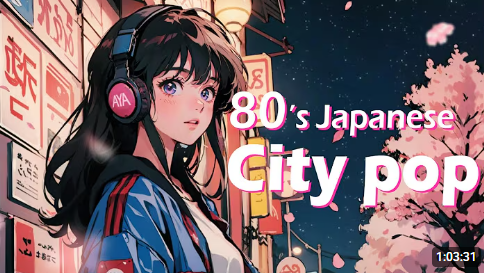
The music sounded good, but when you started to dig deeper, you realized…
There are no artist names?
Or, even worse, the artist’s name doesn’t appear in the search results?!
Japanese music has been hit hard with AI, and it is only getting worse as AI improves.
Let’s take a look at why I think Japanese music is getting AI’ed so often, and some tips on how to avoid listening to fake music.
Why So Much AI?
why is the bass fused into her shirt omfg
The Popularity of Lo-Fi and City Pop
It goes without saying – in online spaces, the sounds of Nujabes inspired Lo-Fi and 80s groovy City Pop are very popular.
But, these genres aren’t major within Japan.
Rather, the internet took inspiration from Japanese sounds and repackaged it into something uniquely online and it went viral. While the genres aren’t “mainstream” in real life, they are on the internet, which leads to a lot of clicks and promotion on Youtube.
The “Treasure Hunt”
Japanese music marketing often mirrors the branding strategy used by grocery chains like Trader Joe’s.
For many online music fans, Japanese music has a reputation of being more “authentic” and “unique” than other types of music – there’s more craftsmanship, less big business marketing, and it’s hard to find.
That allows browsing for Japanese music to feel like a treasure hunt, which is similar to how stores like Whole Foods and Trader Joes keep customers engaged in their brand of “rare local finds” (hint: the items are usually mass produced).
The experience of discovery becomes part of the appeal.
The “treasure hunt” feeling isn’t an evil scheme created by Big Music in Japan to make more sales. Instead, content creators have caught on to this, and manipulate the feeling when mass creating “rare” AI Japanese music hits.
Hard to Double Check
There isn’t a lot of information online about new Japanese artists. Obviously, there is the problem of the language barrier, but also the tendency for real emerging artists to stay small and local (playing into the treasure hunt feeling from before).
When an AI artist creates a fake name, a lack of info on a Google search isn’t automatically a red flag. They can say, “It is because they are new!” “They don’t have anything written about them in English yet…” and plenty of other excuses.
How to Avoid Fake AI Music
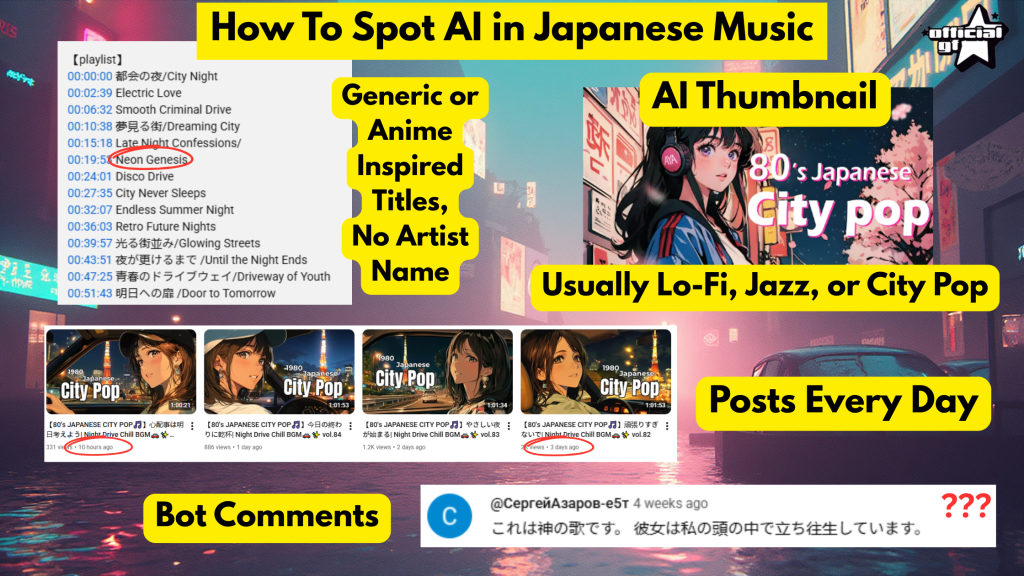
🚩Red Flag One: No SNS or Streaming Presence
The first line of defense is to search for the social media or Spotify account of the artist. If no results appear, that is a major red flag. The possibility for music to be magically leaked online is near zero.
If there is no artist listed, you have your answer already.
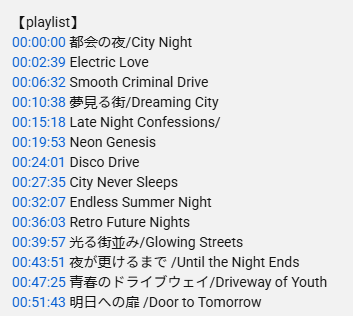
If the description only has generic titles and no artist, you can be sure it is AI. Other times, the song titles will include an anime or popular song reference, like here with “Neon Genesis” and “Door to Tomorrow” (referencing Mayonaka no Door) which is a good indicator that AI created the music.
🚩Red Flag Two: Impossible Output
If the creator is uploading 7+ songs every week or so, there is a high chance they are AI. Youtube rewards consistency, so fake musicians will try to upload as much music as possible to game the algorithm.
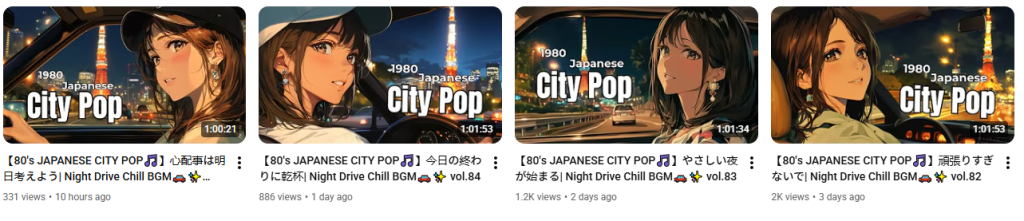
Every day… one hour of music… wow…
Remember, real people cannot create 100s of perfectly recorded songs each month. Even if they claim to just be compiling playlists and NOT creating the music, the output is still very high. (and, that quantity of City Pop didn’t even exist in the first place!)
Most major artists put out an average of 6-13 songs per year.
🚩Red Flag Three: AI generated Icons and Thumbnails
AI art is becoming more common in Japan, but it isn’t the norm and not widely used for music.
Certainly, bigger productions would not be using a majority of AI for art in official releases.
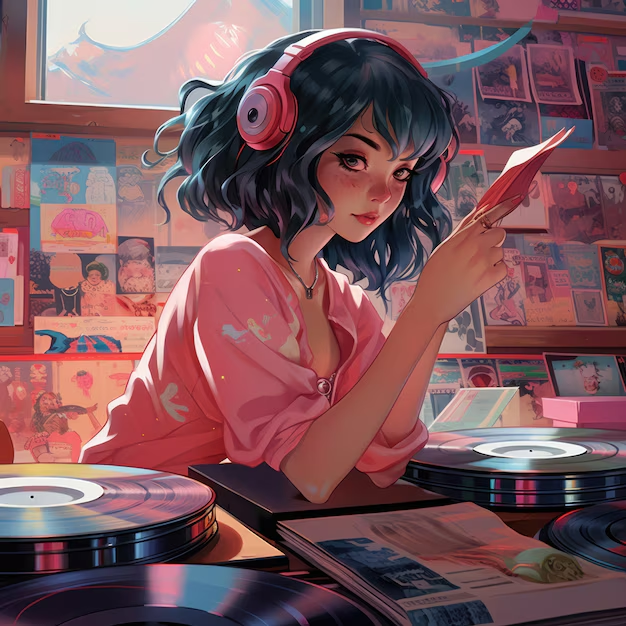
If the “artist” only uses AI for their thumbnails, that is another sign of generated music.
🚩Red Flag Four: Unnatural Lyrics
If you are still not sure, send the music to a friend who can speak Japanese and ask them if the lyrics or description seem natural.
Song composition and lyrical tropes are different between Japanese and English music.
If you have basic understanding of the language, you can look for a few of the signs yourself:
- Always using pronouns, like “Watashi wa” before every sentence
- Overly polite speech in lyrics (-masu or -desu forms consistently in lyrics)
- Phrases that are normal in English but unnatural for music in Japanese (“You’re welcome”, overuse of “konnichiwa” or “ogenki desuka”, generalized lyrics talking about scenery or strange metaphors)
If you are still having trouble deciding, there are a few other tips like watching out for bot comments (fake accounts with Russian or Arabic names all saying similar things like, “this changed my life!” etc. in broken Japanese), another is overuse of emojis in titles and the descriptions.
If your “artist” checks off any of the red flags above, you can assume they are probably AI. I hope this helps you see through AI music!
Personally, I understand using AI along some parts of the creative process. But, tricking people into believing your music is real is deceptive and takes away from the ability to connect with real artists who live abroad!
There are plenty of new (and real) artists from Japan who would love your support. My favorites right now are Luv and Ako.
Until next time. ❤


 official GF blog
Leave a comment