
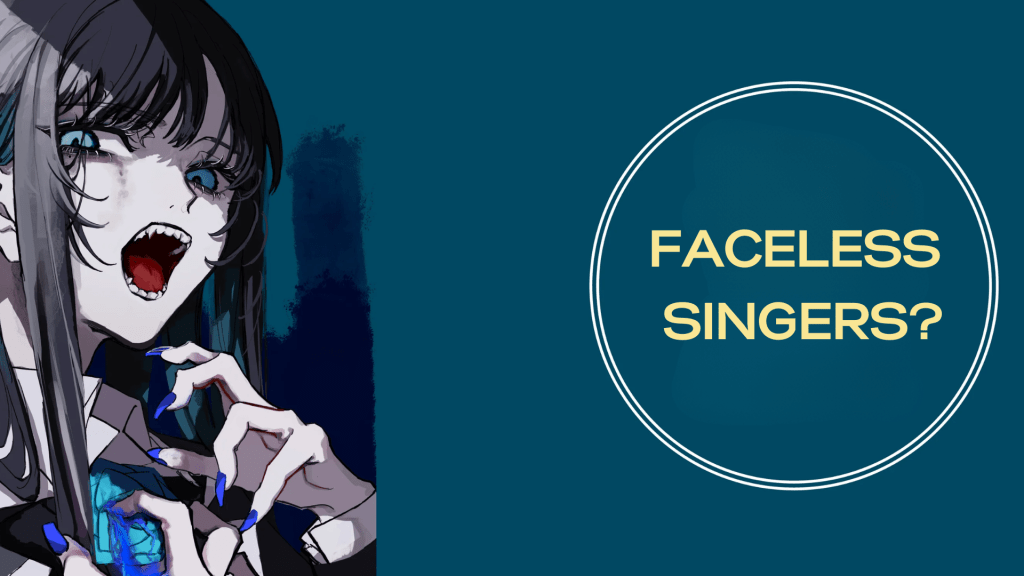
Have you ever searched up your favorite J-pop artist to only find an avatar or anime character instead of their actual face?
In the past few years, the spotlight has been on global stars Ado and Natori, both faceless singers. Why are these chart-topping artists not revealing their face to their fans?

In this post I will demystify why artists in Japan often choose to be faceless, and give you some recommendations of other faceless artists at the end!
Why Do Artists Go Faceless?
There are a few cultural and historical reasons – here are the biggest ones in my opinion.
Privacy
Tokyo looks big, but it’s actually quite small. Hang-out spots are tight and stacked on top of each other. With no exaggeration, Tokyo residents always end up in the same few places, like Shibuya and Shinjuku.
People – including celebrities – are crowded into a few popular drinking and nightlife streets, and major events like concerts, summer festivals, or pop-up stores draw the same audiences from all across Tokyo.
This is also a major issue for people who use dating apps – and a major reason why dating app photos are usually ramen pictures.

Day Job Rules
The biggest issue for anyone who isn’t a fulltime artist… the average company in Japan hates when their workers have any kind of online presence.
This could be anything from a small YT channel, to being an influencer, to playing in a band after work.
If you reveal your face online, you might get in trouble from your boss, or at the very least, (unkindly) gossiped about by coworkers.
Even universities will ask their students to remove any collegiate merch, like t-shirts or tote bags, if they go drinking.
Companies see their workers as representatives.
Breaking the rules could result in being fired.
The caveat – don’t show your face! Some artists will use masks and sunglasses, while others choose to not show their face at all.
Early Internet Culture
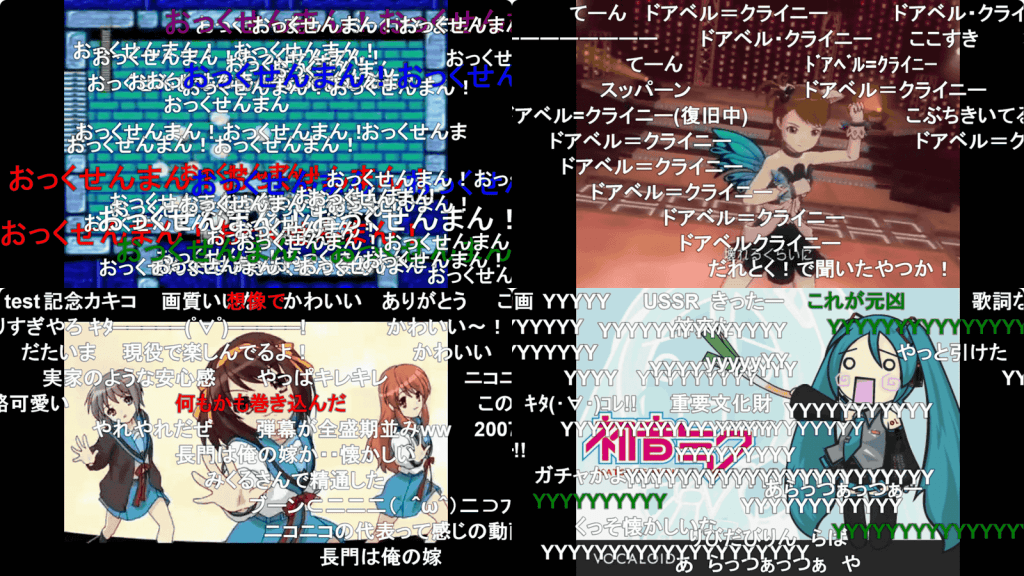
In the early 2010s, the idea of showing your face online – in any circumstance – was considered super weird and dangerous.
Youtube hadn’t taken off in Japan yet (it gained traction around 2015), and domestic streaming site NicoNico Douga was full of eccentric people – while half of them hid their face, the other half who didn’t were pretty insane.

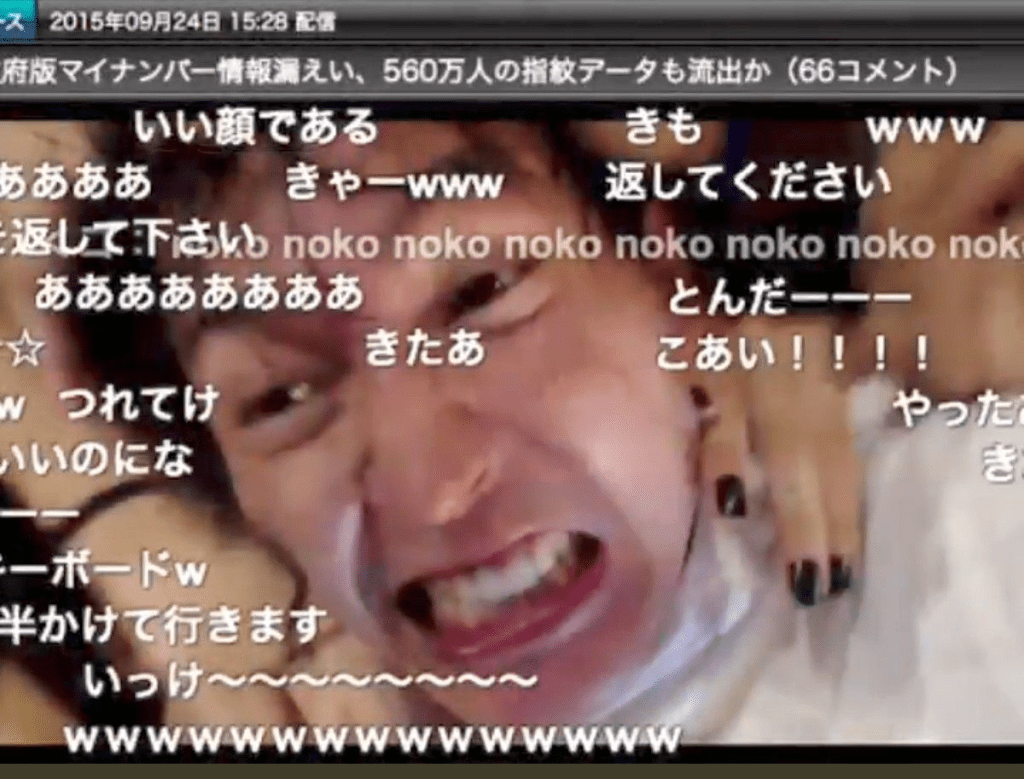
This led to face-masking being a trademark of early internet culture.

In our number one faceless singer Ado’s case specifically, she is an Utaite – a singer who covers Vocaloid songs, starting in this same era.
Utaite lived alongside the crazy streamers on NicoNico and used avatars instead of their real faces for their song covers and live streams.

For more about Utaite and NicoNico culture, I wrote about Vocaloid Producers and Viral Japanese music, showcasing just how important these early cultures were for music today.
Stylization
Of course, there are artistic reasons to not show one’s face.
Some artists do it to draw attention to their music, not selling out using their face or body. Others do it because they feel like a character better conveys the mood they are trying to achieve in their music.
For many, it’s just a part of their unique performance style.
I picked out the recs below so you can see how each artist made faceless singing work for them!
Recommendations

Eve (J-pop)
Eve is an artist born from the previously mentioned NicoNico culture, and one of the more popular faceless singers behind Ado and Natori.
He is best known for his world building, and fitting full-fleshed stories into his music videos.
Because he doesn’t have a set style or image, each of his songs feel like an entry in a big storybook compilation.
And… they are also just really catchy songs.
Yorushika (Pop/Rock)
Yorushika is a classic pop-rock duo – a Vocaloid producer as composer, and a female vocalist named suis.
Not much is known about either artist. They often have a little sketch-book doodle style character with a bob hair cut in their music videos. They are best known for their lyrics about love and heavy emotions.
Yorushika has a handful of songs over 100 million views on Youtube.

Zutomayo (Instrument Heavy J-pop)
Zutomayo is a faceless music mega group headed by singer Acane (ACAね). Their songs are high energy pop with a heavy jazz composition influence.

Acane is represented by a cute girl with a purple bob in the music videos.
Their concerts are simply amazing. Acane sings on stage while never showing her face, and the music composition is absolutely insane.
If you have never watched a faceless concert, start here!!!
Kafu (Vocaloid)
Kafu is a singer/songwriter who became popular for her unique voice and accent.
She has a signature whisper voice sound while maintaining powerful vocals.
Her character model moves in 3D, giving the sense of being a cyber girl detached from reality, not a character or the artistic expression of a “real life” artist.
Her vocals went viral around 2018 and shortly after a Vocaloid was released with the same name (but different Kanji).
Kafu maintained her unique style and accent even in program form, and is a popular choice for Vocaloid producers.
Vaundy (Indies)
If you made it this far – I am sure you have already heard of singer/songwriter Vaundy, the artist behind the viral song Odoriko.
While Vaundy has revealed his face, it is never the focus of his work. His early works focus on the aesthetic side of music videos.
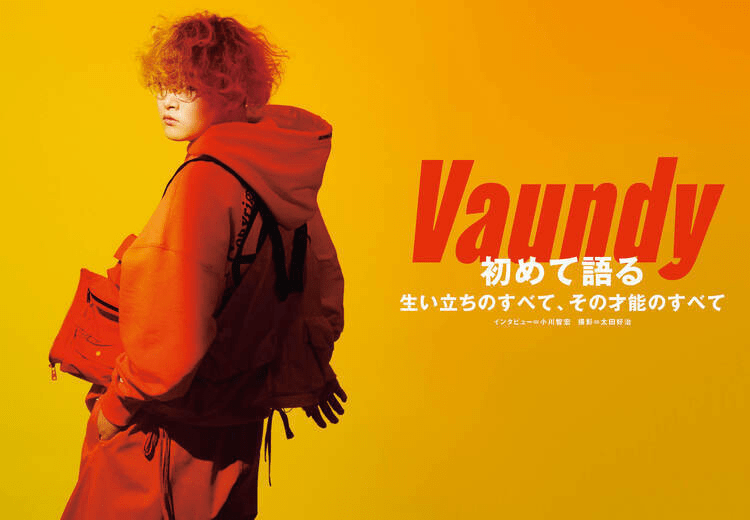
He eventually showed his face during concerts and Instagram lives, but his appearance has never been central to his art.
Many of his early music videos were animated, and one of the most recognizable music videos – Tokyo Flash – features Vaundy with his face blurred.
That’s all for recs, if you had a favorite or know other good faceless singers, let me know!!
Being a hot popstar leads to a lot of exploitation, privacy concerns, and societal pressures.
Without some of the privacy concerns and early internet culture coming from Japan – maybe faceless singers would be frowned upon today.
I can’t say for sure… But, I am glad artists who want to express themselves without revealing their image can still take the #1 space on the charts.
Some may find being faceless weird, but I encourage you to find a singer you like and learn more about their unique style! You might really enjoy it – if you don’t already.
As with all art, there’s multiple reasons and ideas behind any movement. But, I hope this helped explain one of J-pop’s unique quirks for you!
Until next time ❤

 official GF blog
Leave a comment